Tick Bite Prevention
Many homes and city parks are situated near or within forested areas and meadows where ticks are often found. Practicing effective tick prevention strategies for your family and pets can greatly reduce the risk of tick bites and tick-borne illnesses.
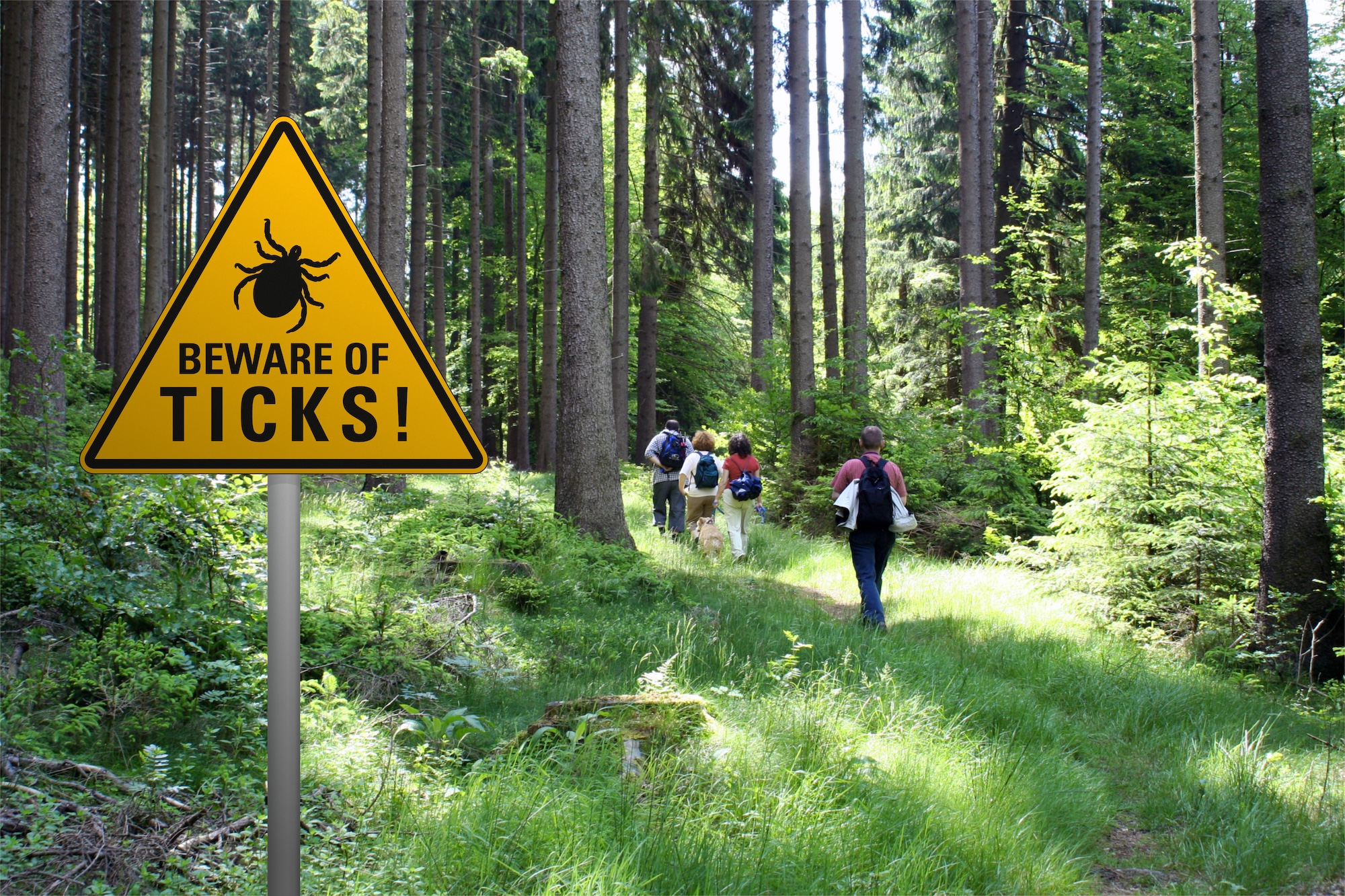
Prepare before you go out
- Wear light-colored clothing — it makes spotting ticks easier!
- Tuck pants into socks and shirts into pants to create a physical barrier that prevents ticks from crawling directly onto your skin. This forces ticks to travel farther to find exposed areas to bite.
- Use a repellent that contains DEET, picaridin, Oil of Lemon Eucalyptus, or IR3535 on exposed skin, regularly applying every 5 hours.
- Use 0.5% permethrin to treat clothing and gear. You can also buy clothing pre-treated with permethrin that will last for many washes.
- Be sure to read the labels and follow the directions.

Tick Checks
The most effective way to know if you have a tick is to check yourself and your pets after spending time outside. Practicing thorough tick checks is essential because ticks can take anywhere between 15 minutes to several hours to find a spot they like. There are three levels of checks to perform given how persistent ticks can be.
- Inspection #1 – Clothing
- Inspect your clothes for crawling ticks before entering your home. After you take off dry outdoor clothing, tumble dry for 10-15 minutes on high heat. It is recommended that damp or wet clothing be dried for 90 minutes on low heat/60 minutes on high heat.
- Inspection #2 – Skin:
- Glancing over the surface of your skin isn’t enough. Look behind the ears, between toes and fingers, behind the knees, around the ankles, the groin, your hair, and even your belly button.
- Extra Inspection – In the shower
- When you’re taking a shower, this will give you another opportunity to thoroughly inspect your body for ticks, and it may even help wash off ticks that haven’t embedded yet.

Don’t forget your pet!
Checking your pet and even giving them a rinse is important because some ticks may attach to them. Regularly check your dog or outdoor cat even if your pet is on a preventative. Inspection sites can include ears, under the collar, under the tail, in the groin area, between the toes, and the belly area.