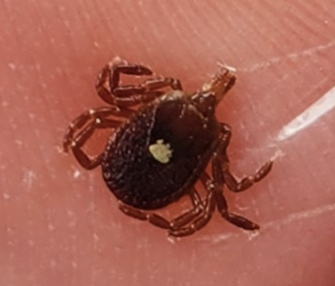
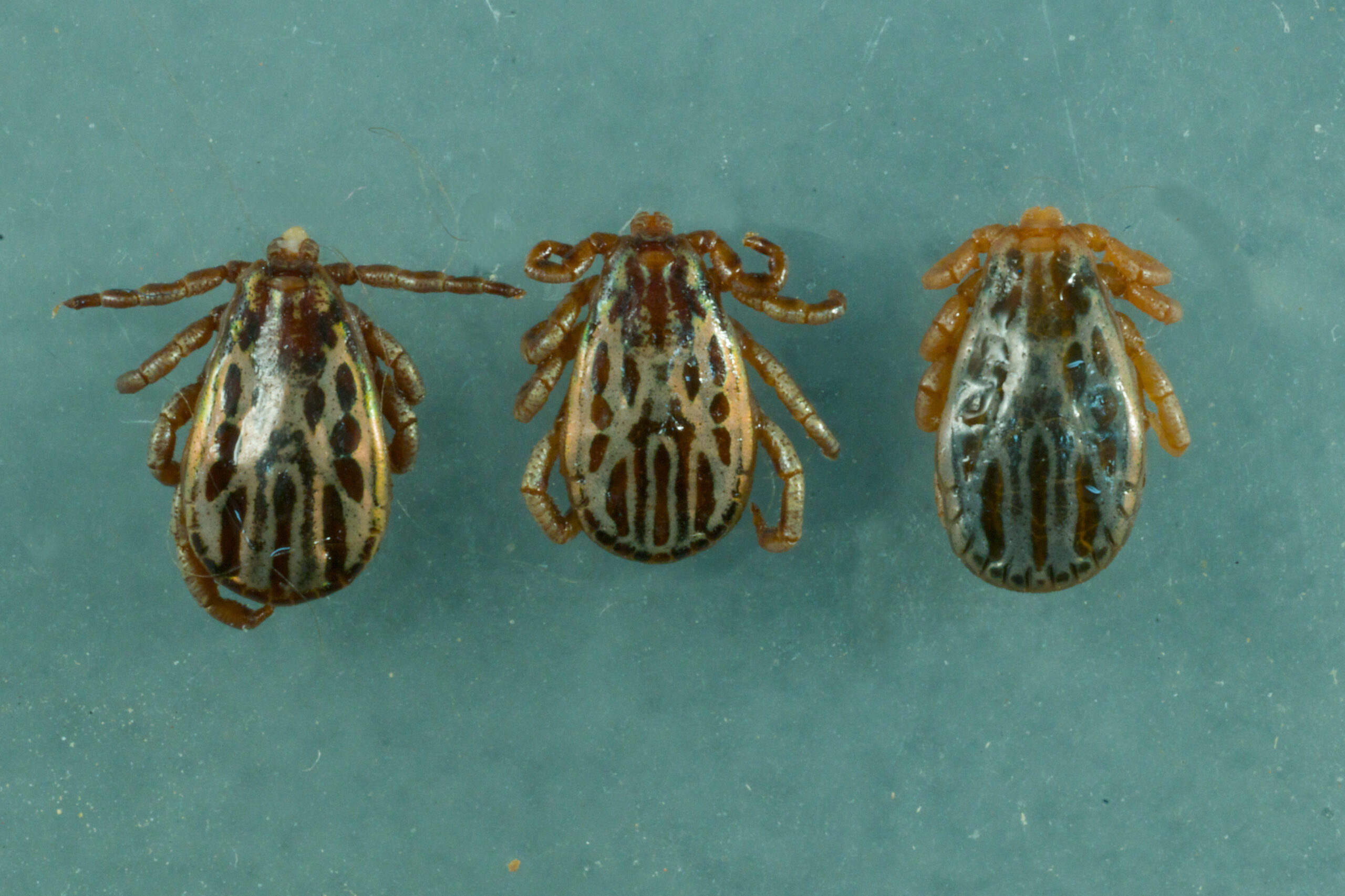
In addition to the three species listed above, New Jersey residents may also encounter the American dog tick (Dermacentor variabilis) and the Asian longhorned tick (Haemaphysalis longicornis). At this time, these species are not known to transmit pathogens that cause human disease in New Jersey. For this reason, NJ Ticks 4 Science! does not test these ticks for human pathogens.
Many NJ ticks are unlikely to bite us and are usually associated with specific animals such as raccoons or squirrels or birds. If you are a hunter, handle livestock, are a wildlife rehabilitator or work in animal control or run a dog rescue, we might encounter some of these ticks and we encourage you to submit them to NJTicks4Science!
Other Ticks of New Jersey